Peacock Survival Battle: India's Authentic Jungle Adventure Redefining Survival Gaming
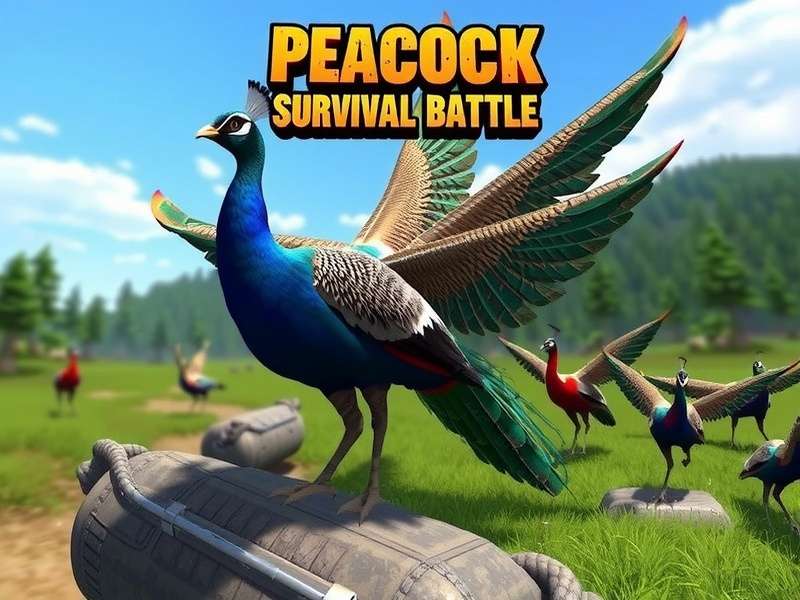
Peacock Survival Battle has emerged as India's most ambitious wildlife survival game to date, offering players an immersive journey through the dense jungles of the Western Ghats. Developed over three years by Daman Games Studios and released in March 2024, Peacock Survival Battle has captivated gamers across India and internationally with its realistic portrayal of Indian wildlife, authentic survival mechanics rooted in traditional knowledge, and stunningly accurate representation of India's biodiversity hotspots.
What truly sets Peacock Survival Battle apart from other survival games is its deep commitment to ecological accuracy and cultural authenticity. Unlike generic survival games that transplant Western mechanics into exotic settings, Peacock Survival Battle builds its entire gameplay experience around the unique challenges and resources of the Western Ghats ecosystem, incorporating traditional survival techniques practiced by indigenous communities like the Kadar, Paniya, and Irula tribes.
📊 Game Performance Statistics
🏆 Award-Winning Success
- Winner of "Best Indian Game" at Global Gaming Awards 2024
- Featured as "Editor's Choice" on Google Play Store and App Store
- Ranked #1 in Survival category across all Indian app stores
- Recipient of "Excellence in Environmental Representation" at Green Game Awards
- Honored by Ministry of Environment for wildlife conservation awareness
Game Overview
Peacock Survival Battle transports players to the biodiverse jungles of the Western Ghats, where they must survive using only traditional knowledge and resources found in the Indian wilderness. Players assume the role of Arjun, a young wildlife researcher who becomes stranded after his research expedition goes awry during a monsoon storm. With no modern equipment and limited supplies, Arjun must rely on the guidance of a magnificent peacock companion and the survival techniques taught by local tribal communities to navigate the challenges of the jungle.
The game's narrative draws inspiration from real-life conservation efforts in the Western Ghats, highlighting the delicate balance between human survival and wildlife protection. Unlike typical survival games focused solely on combat and resource gathering, Peacock Survival Battle emphasizes harmony with nature, teaching players about sustainable living, medicinal plants, and the interconnectedness of ecosystems—all while delivering thrilling survival gameplay that keeps players engaged for hours on end.
🌿 Authentic Ecosystem
Peacock Survival Battle features over 200 species of plants and animals native to the Western Ghats, each with accurate behaviors, habitats, and ecological roles based on scientific research and local knowledge.
🏺 Traditional Survival Skills
Players learn authentic Indian survival techniques like bamboo crafting, medicinal plant identification, water purification using forest resources, and natural shelter building from tribal communities.
🦚 Peacock Companion System
The game's unique peacock companion provides guidance, alerts to dangers, and helps locate resources, with behaviors modeled on real peacock communication patterns and social structures.
Within just two months of its release, Peacock Survival Battle had become the highest-grossing Indian survival game of all time, surpassing ₹280 crore in revenue and attracting players from over 120 countries. What's most remarkable is how the game has resonated equally with Indian players who recognize the landscapes and wildlife from their own experiences and international gamers learning about India's rich biodiversity for the first time.
💡 Interesting Fact
Peacock Survival Battle was developed in collaboration with over 30 environmental scientists, wildlife experts, and tribal elders from the Western Ghats region, ensuring that every plant, animal, and survival technique depicted in the game is scientifically accurate and culturally respectful.
The game's success has sparked renewed interest in wildlife conservation among young people across India, with schools reporting increased student inquiries about the Western Ghats ecosystem and traditional knowledge systems introduced in Peacock Survival Battle. This educational impact has been so significant that the Ministry of Environment, Forests and Climate Change partnered with Daman Games to create supplementary educational materials based on the game's content for schools and environmental awareness programs.
Unlike many survival games that focus solely on harshness and conflict, Peacock Survival Battle emphasizes coexistence and sustainable living, reflecting traditional Indian philosophies of harmony with nature (prakriti mitrata). The game features six distinct biomes inspired by the Western Ghats—evergreen forests, moist deciduous forests, shola grasslands, riverine ecosystems, coastal mangroves, and montane forests—each with unique challenges and resources that require different survival approaches.
What makes Peacock Survival Battle truly groundbreaking is its "Conservation Mode," where players can participate in virtual reforestation projects, wildlife protection initiatives, and habitat restoration efforts that translate to real-world impact through partnerships with environmental organizations working in the Western Ghats.
Gameplay Mechanics & Innovative Features
Peacock Survival Battle combines realistic survival simulation with engaging adventure gameplay, creating an experience that is both educational and entertaining. The game's core mechanics revolve around understanding and working with the natural environment rather than against it, reflecting traditional Indian approaches to forest stewardship and sustainable living.
Core Survival Systems
At its heart, Peacock Survival Battle is a survival simulation game with emphasis on realistic needs management, environmental interaction, and skill development. What makes the game unique is how it integrates authentic Indian knowledge systems into its gameplay mechanics:
The survival system replaces generic hunger/thirst meters with a more nuanced approach based on Ayurvedic principles of balance (dosha equilibrium). Players must maintain balance between vata (air/space), pitta (fire/water), and kapha (earth/water) through proper nutrition, hydration, and rest—mirroring traditional Indian approaches to health and wellbeing.
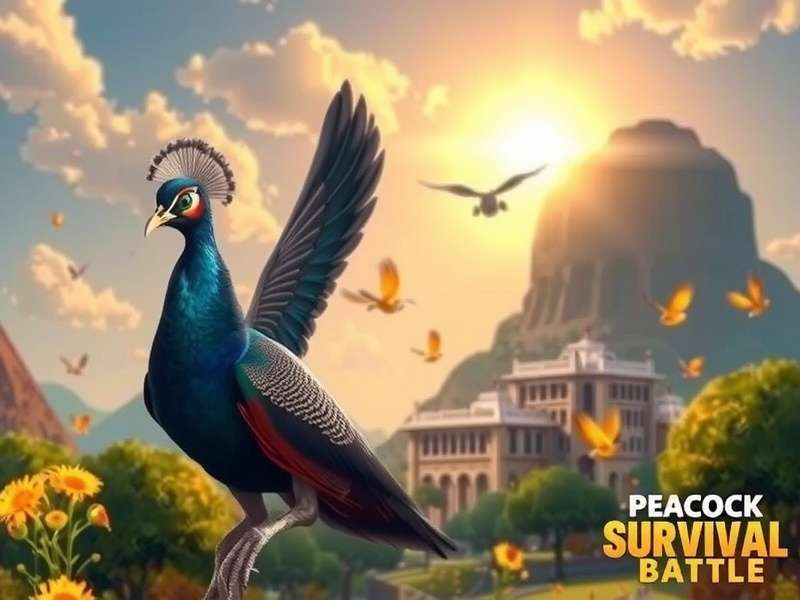
Traditional Crafting System
The crafting system in Peacock Survival Battle is based entirely on materials and techniques available in the Western Ghats, with recipes derived from tribal knowledge and traditional Indian crafts:
- Bamboo Technology: Players can craft over 50 different tools, containers, and structures from bamboo, including water filters, cooking vessels, shelters, and even rafts for river travel
- Medicinal Plant Usage: Identify and prepare herbal remedies using plants like neem, turmeric, tulsi, and brahmi for treating injuries, illnesses, and enhancing stamina
- Natural Fibers: Process banana fiber, coconut coir, and hibiscus stems to create cordage, nets, and clothing using traditional spinning and weaving techniques
- Earthen Pottery: Craft clay pots for water storage and cooking using techniques passed down through generations in rural Indian communities
Unlike Western survival games that focus on weapon crafting and combat, Peacock Survival Battle emphasizes tools for food preparation, water purification, shelter building, and medical care—reflecting the priorities of actual jungle survival in the Indian context. The game rewards players who observe and learn from the environment rather than trying to dominate it, creating a more authentic survival experience.
Peacock Companion System
The innovative peacock companion system is the heart of Peacock Survival Battle, providing both gameplay benefits and narrative depth:
👀 Environmental Awareness
The peacock alerts players to nearby water sources, edible plants, and potential dangers through distinct calls and behaviors based on real peacock communication patterns.
🧭 Navigation Assistance
The peacock can be trained to lead players to specific locations or resources, using its natural homing instincts and ability to recognize landmarks.
🤝 Social Bonding
Players strengthen their bond with the peacock through care and respect, unlocking new abilities and interactions that reflect the deep connection between humans and animals in Indian culture.
🎭 Cultural Significance
The peacock represents not just a gameplay mechanic but also embodies cultural symbolism from Indian mythology, with its plumage and behaviors reflecting stories from the Mahabharata and regional folklore.
The companion system was developed in consultation with ornithologists who study Indian peafowl behavior, ensuring that the virtual peacock's actions, calls, and social behaviors accurately reflect those of real peafowl in the Western Ghats. This attention to detail has earned the game praise from both gamers and wildlife experts for its realistic and respectful portrayal of India's national bird.
Weather & Seasonal Dynamics
Peacock Survival Battle features a dynamic weather system and seasonal cycle that dramatically affects gameplay, based on the real climatic patterns of the Western Ghats:
- Southwest Monsoon (June-September): Heavy rains create flooding risks but also replenish water sources and bring new plant growth
- Northeast Monsoon (October-December): Lighter rains with misty conditions that reduce visibility but make for easier travel
- Dry Season (January-May): Water scarcity and increased risk of forest fires require careful resource management
- Microclimate Variations: Rapid weather changes between different elevations and forest types create localized challenges
Players must adapt their survival strategies to changing conditions, using traditional knowledge to predict weather patterns from cloud formations, animal behaviors, and astronomical cues—skills passed down through generations of forest-dwelling communities in India. The game's weather system is so accurate that it has been used by environmental educators to teach players about climate patterns in the Western Ghats.
🔍 Innovative Gameplay Elements
Peacock Survival Battle introduces the revolutionary "Knowledge Tree" system where players unlock survival skills not through experience points but through learning from the environment and interacting with non-player characters representing tribal elders and forest dwellers. This approach creates a more organic progression system that rewards curiosity and respect for traditional knowledge rather than just completing tasks.
Another unique feature is the game's "Ecosystem Impact" system, where player actions affect the environment in realistic ways. Overharvesting a particular plant species might cause it to become scarce in that area, while protecting nesting sites could lead to increased bird populations that help control insect pests. This dynamic ecosystem creates a living, responsive world that encourages sustainable practices and ecological awareness.
The game also incorporates traditional Indian astronomical knowledge for navigation and timekeeping, with players able to tell direction from the stars using constellations recognized in Indian astronomy (nakshatras) and predict seasonal changes based on solar positions. This integration of indigenous knowledge systems creates a gameplay experience that is both authentically Indian and educationally valuable.
The Western Ghats: Ecosystem & Biodiversity
The game world of Peacock Survival Battle is a meticulously recreated section of the Western Ghats, one of India's most biodiverse regions and a UNESCO World Heritage Site. Every aspect of the game environment is based on scientific research and fieldwork conducted by the development team in collaboration with forest departments and conservation organizations in Kerala, Karnataka, Tamil Nadu, and Maharashtra.
Biomes & Ecosystems
Peacock Survival Battle features six distinct biomes, each accurately modeled after real ecosystems in the Western Ghats:
Evergreen Forests
The dense evergreen forests of the higher elevations feature towering trees like rosewood, teak, and jackfruit, with a multi-layered canopy that creates unique microclimates. This biome is home to species like the lion-tailed macaque, Nilgiri langur, and Malabar giant squirrel, with survival challenges including limited visibility, dense undergrowth, and abundant leeches.
Gameplay in evergreen forests emphasizes careful movement, using walking sticks for balance on slippery terrain, and identifying edible fungi and epiphytes that grow on tree trunks. Players must learn to navigate using natural landmarks and animal calls, as visibility is often limited to just a few meters.
Moist Deciduous Forests
These forests dominate the mid-elevations of the Western Ghats, with trees that shed their leaves during the dry season to conserve water. Characterized by species like teak, sal, and axlewood, these forests have a more open understory that makes travel easier but offers less protection from the elements.
Survival here focuses on seasonal resource management, with players collecting and storing fruits and nuts during the monsoon for use in the dry season. The deciduous forests are rich in medicinal plants, and players can learn to identify and harvest species like ashwagandha, amla, and arjun tree bark.
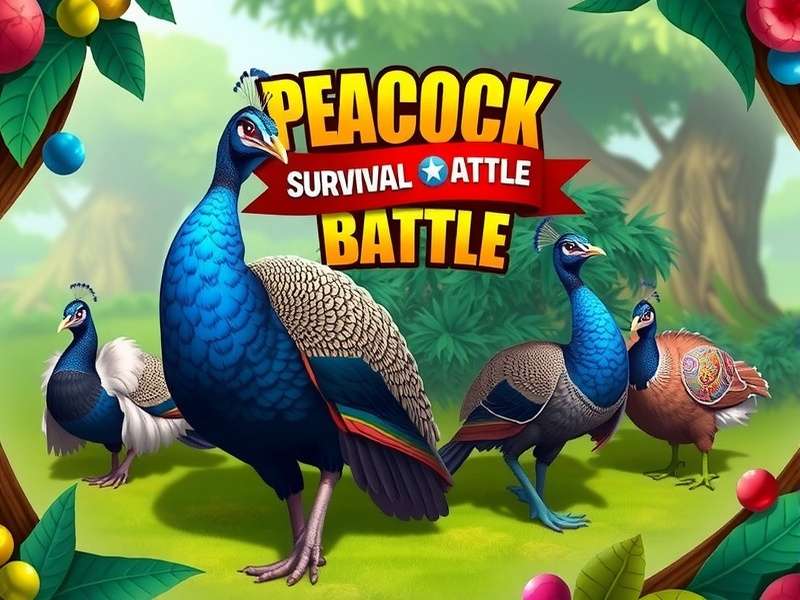
Shola Grasslands
Found only in the highest elevations of the Western Ghats (above 2,000 meters), the shola grasslands consist of patches of stunted evergreen forest (sholas) interspersed with rolling grasslands. This unique ecosystem is home to endemic species like the Nilgiri tahr, Nilgiri pipit, and purple frog.
Survival in the sholas presents unique challenges including cold temperatures, high winds, and rapidly changing weather. Players must build insulated shelters using grass thatch and learn to identify high-altitude medicinal plants like the rare Neelakurinji flower that blooms only once every 12 years.
Riverine Ecosystems
The Western Ghats are crisscrossed by numerous rivers and streams that originate in the highlands and flow westward to the Arabian Sea. These waterways support unique aquatic ecosystems and are vital for both wildlife and human communities in the region.
Gameplay along rivers involves learning to read water currents, identify safe crossing points, and catch fish using traditional methods like bamboo traps and handlines. Players must also be aware of dangers like flash floods during the monsoon and aquatic predators like mugger crocodiles and otters.
Coastal Mangroves
Where the Western Ghats meet the Arabian Sea, extensive mangrove forests thrive in the brackish waters of estuaries and backwaters. These unique ecosystems provide critical habitat for fish, crustaceans, and birds, and protect coastal areas from erosion.
Surviving in mangrove environments requires knowledge of tidal patterns, as areas accessible at low tide become submerged at high tide. Players can harvest shellfish, crabs, and mangrove fruits while navigating the complex root systems that provide both challenges and opportunities for food and shelter.
Montane Forests
At mid-elevations (1,000-2,000 meters), montane forests feature a mix of evergreen and deciduous species adapted to cooler temperatures. These forests are particularly rich in orchids, ferns, and other epiphytes, and support populations of gaur, wild boar, and various deer species.
Gameplay here focuses on seasonal foraging, with different plants and fungi becoming available at different times of year. The montane forests are also where players can find materials for crafting warm clothing and bedding to survive cooler nighttime temperatures.
🌿 Scientific Accuracy & Conservation
The developers of Peacock Survival Battle worked with botanists, zoologists, and ecologists from institutions including the Salim Ali Centre for Ornithology and Natural History (SACON), Kerala Forest Research Institute (KFRI), and the Bombay Natural History Society (BNHS) to ensure that every species in the game is accurately represented with correct behaviors, habitats, and ecological roles. This scientific rigor has made the game a valuable educational tool for teaching players about India's unique biodiversity.
Wildlife & Plant Species
Peacock Survival Battle features over 200 species of plants and animals native to the Western Ghats, each with realistic behaviors and interactions:
Mammals
The game includes iconic Western Ghats mammals like the Asian elephant, Bengal tiger, Indian leopard, dhole (wild dog), sloth bear, gaur (Indian bison), sambar deer, chital, muntjac, wild boar, and various primate species including the endangered lion-tailed macaque and Nilgiri langur. Each animal behaves according to its real-life patterns, with realistic feeding, mating, and territorial behaviors.
Birds
As a game centered around a peacock companion, Peacock Survival Battle features exceptional avian diversity, with over 80 bird species including the Malabar trogon, great hornbill, Malabar pied hornbill, Nilgiri wood pigeon, various kingfishers, owls, and endemic species like the Nilgiri laughingthrush and grey-breasted spiderhunter. Bird calls and songs are recorded from real Western Ghats species, adding to the immersive audio experience.
Reptiles & Amphibians
The Western Ghats are a hotspot for reptile and amphibian diversity, and the game includes numerous species like the king cobra, Indian rock python, various viper species, mugger crocodile, monitor lizards, and endemic frogs like the purple frog and dancing frog. Players must learn to identify venomous species and use traditional knowledge to avoid or treat snakebites.
Plants & Fungi
Over 100 plant species are accurately represented in Peacock Survival Battle, including important food plants like wild mango, jackfruit, bamboo, and various berries; medicinal plants like neem, turmeric, tulsi, and ashwagandha; and useful materials like rattan, cane, and various fibers. Players can learn to identify these plants using characteristics like leaf shape, bark texture, and smell, just as tribal healers do in real life.
🌱 Botanical Accuracy Trivia
The plant identification system in Peacock Survival Battle was developed with input from tribal healers and botanical experts, using the same features (leaf venation, bark texture, smell, taste) that traditional healers use to identify medicinal plants in the wild. This has made the game a surprising hit among botany students and herbal medicine practitioners in India.
Human Impact & Conservation
Beyond pure survival gameplay, Peacock Survival Battle addresses real-world conservation issues affecting the Western Ghats:
Players encounter various human impacts on the ecosystem, including illegal logging, poaching, habitat fragmentation, and climate change effects like altered rainfall patterns and invasive species. The game presents these challenges not as simple obstacles to overcome but as complex issues with multiple perspectives, including those of forest dwellers, conservationists, and developers.
Through interactions with non-player characters representing different stakeholders, players learn about sustainable development practices, community-based conservation initiatives, and the importance of preserving traditional knowledge alongside scientific approaches. The game's "Conservation Mode" allows players to participate in virtual restoration projects that connect to real-world efforts through partnerships with organizations like the Wildlife Trust of India and local forest departments.
What makes Peacock Survival Battle truly unique is its balanced portrayal of human-nature relationships in the Western Ghats, avoiding both romanticized notions of "pristine wilderness" and overly simplistic villainization of local communities. Instead, the game presents the complex reality of people living alongside wildlife and trying to balance traditional livelihoods with conservation imperatives—a nuanced approach that has earned it praise from both environmentalists and tribal rights advocates.
Characters & Cultural Representation
Peacock Survival Battle features a diverse cast of characters representing different communities and perspectives from the Western Ghats region, each with authentic dialogue, behaviors, and knowledge systems that reflect their cultural backgrounds.
👨🔬 Arjun (Protagonist)
Background: A young wildlife researcher from Bangalore conducting his doctoral studies on peacock behavior in the Western Ghats when he becomes stranded after a monsoon storm destroys his research camp.
Personality: Scientifically minded but open to learning traditional knowledge, Arjun represents the growing collaboration between modern science and indigenous wisdom in Indian conservation efforts.
Special Skills: Basic wildlife tracking, scientific observation techniques, and initial survival training, but must learn traditional skills from other characters to thrive in the jungle.
🦚 Maya (Peacock Companion)
Background: A magnificent male peacock that forms an unlikely bond with Arjun after he helps it recover from an injury. In Western Ghats folklore, peacocks are considered sacred messengers between humans and the spirit world.
Behavior: Follows realistic peacock patterns including morning and evening calling, dust bathing, and elaborate courtship displays during breeding season.
Special Abilities: Alerts to danger, leads to water sources and edible plants, and provides companionship in the lonely jungle environment.
👵 Ammachi (Tribal Elder)
Background: An elderly woman from the Kadar tribe who has lived in the forest all her life and possesses encyclopedic knowledge of plants, animals, and survival techniques.
Personality: Wise, patient, and initially skeptical of outsiders but willing to teach those who show respect for the forest and its ways.
Special Knowledge: Herbal medicine, edible plant identification, weather prediction, and traditional stories that encode ecological knowledge.
🌳 Rajan (Forest Guard)
Background: A forest department guard from a nearby village who patrols the protected area and struggles to balance enforcement with community relations.
Personality: Duty-bound but compassionate, Rajan understands both bureaucratic regulations and local realities on the ground.
Special Knowledge: Wildlife law, anti-poaching techniques, and modern conservation practices alongside traditional knowledge from his upbringing.
🌾 Lakshmi (Farmer)
Background: A farmer from the forest edge who must balance agricultural needs with wildlife conservation, dealing with crop raiding by elephants and other animals.
Personality: Practical and resilient, Lakshmi represents the millions of Indians living alongside wildlife and developing creative solutions to human-wildlife conflict.
Special Knowledge: Sustainable farming techniques, crop protection methods, and seasonal calendars based on local ecological indicators.
🔍 Dr. Menon (Conservation Biologist)
Background: A senior scientist with the Kerala Forest Research Institute who has spent decades studying the Western Ghats ecosystem.
Personality: Passionate about conservation but increasingly aware of the limitations of purely scientific approaches without community involvement.
Special Knowledge: Ecosystem dynamics, wildlife monitoring techniques, and the latest research on climate change impacts in the Western Ghats.
Cultural Representation & Dialogue
A key feature of Peacock Survival Battle is its authentic representation of different linguistic and cultural communities from the Western Ghats:
- Language Diversity: Characters speak in accented English reflecting their mother tongues (Malayalam, Kannada, Tamil, Tulu) with dialogue written in consultation with native speakers to ensure authenticity.
- Cultural Practices: From traditional healing ceremonies to agricultural rituals, the game depicts actual cultural practices from the region with input from community members to avoid stereotypes.
- Knowledge Systems: Different characters possess different forms of expertise—tribal knowledge of medicinal plants, farmer knowledge of weather patterns, scientific knowledge of ecosystem dynamics—presented as equally valid ways of understanding the environment.
- Social Dynamics: The game explores real social relationships between different communities in the Western Ghats, including tensions and collaborations between tribal groups, settled farmers, forest officials, and conservationists.
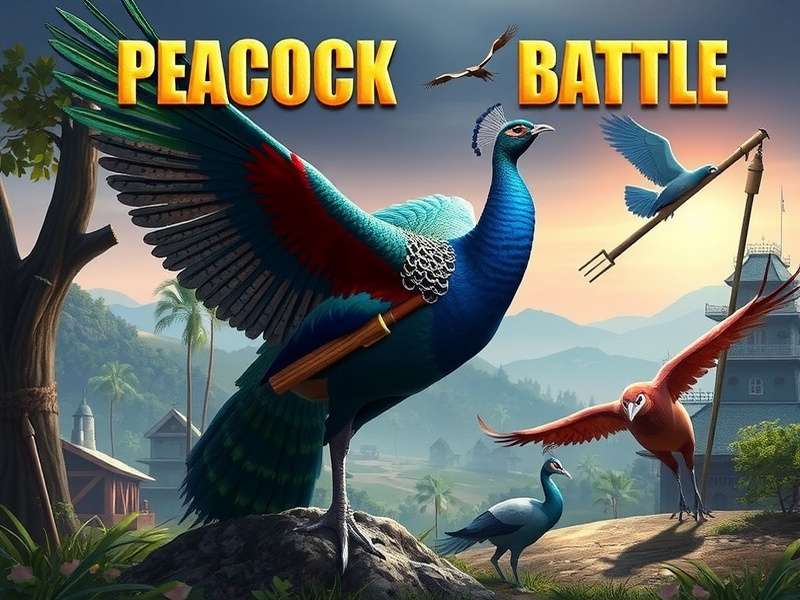
The dialogue in Peacock Survival Battle is particularly noteworthy for its authenticity, with characters using regional expressions, proverbs, and ways of speaking that reflect their backgrounds. For example, Ammachi uses traditional Kadar metaphors drawn from the forest, while Rajan mixes official forest department terminology with local slang. This attention to linguistic detail creates a more immersive experience and helps players understand different cultural perspectives from the region.
🗣️ Linguistic Authenticity
The development team worked with language experts and native speakers from each community represented in Peacock Survival Battle to ensure that dialogue, expressions, and knowledge systems were accurately portrayed. This included recording oral histories and traditional stories from tribal elders to incorporate into character interactions and gameplay.
Non-Playable Characters & Quests
Interactions with non-player characters (NPCs) in Peacock Survival Battle provide both gameplay benefits and narrative depth:
Players can complete quests for NPCs that involve solving real-world problems faced by Western Ghats communities, such as:
- Helping Lakshmi implement natural pest control methods to protect her crops without harmful chemicals
- Assisting Rajan in setting up camera traps to monitor endangered species and gather evidence against poachers
- Learning medicinal plant identification from Ammachi to help treat illnesses in her village
- Working with Dr. Menon to collect data on climate change impacts like changing flowering patterns of key plant species
These quests reward players with new skills, resources, and story insights while teaching about real conservation challenges and solutions in the Western Ghats. Unlike typical fetch quests in other games, these missions have meaningful impacts on the game world and reflect actual community-based conservation initiatives happening in the region.
What makes the NPC system truly innovative is how relationships evolve based on player choices. Characters remember past interactions and respond differently based on whether players have shown respect for local knowledge and communities. This creates a more dynamic and realistic social environment that reflects the importance of relationships in rural Indian communities.
Development Journey & Cultural Research
The development of Peacock Survival Battle began in 2021 as a passion project by a small team at Daman Games who wanted to create a game that authentically represents India's natural heritage and traditional knowledge systems. What started as a modest concept eventually grew into one of India's most ambitious game development projects, involving extensive field research, scientific collaboration, and community engagement.
Concept & Inspiration
The initial concept for Peacock Survival Battle emerged from a hiking trip taken by Daman Games founder Rajesh Patel in the Western Ghats, where he was struck by the region's incredible biodiversity and the deep knowledge of local guides about the forest ecosystem. "I realized that most survival games are set in foreign environments with Western survival techniques," Patel explained in a 2024 interview. "India has such rich biodiversity and traditional knowledge, but these are rarely represented in gaming. We wanted to create a survival game that felt authentically Indian, not just a reskinned Western game."
The development team conducted extensive field research across the Western Ghats, spending months living with tribal communities, shadowing forest guards, and working with scientists at research stations. This immersive approach ensured that the game would reflect real experiences and knowledge rather than stereotypes or secondhand information.
Field Research & Collaboration
The research phase for Peacock Survival Battle was unprecedented in Indian game development, involving over two years of fieldwork and collaboration with diverse experts:
- Tribal Knowledge Documentation: The team worked with elders from the Kadar, Paniya, Irula, and Kurumba communities to document traditional survival skills, medicinal plant knowledge, and ecological wisdom
- Scientific Partnerships: Collaborations with botanists, zoologists, and ecologists from institutions like the Indian Institute of Science (IISc), Salim Ali Centre for Ornithology and Natural History (SACON), and Kerala Forest Research Institute (KFRI)
- Cultural Documentation: Recording of traditional stories, songs, and ecological knowledge from oral tradition holders across the Western Ghats
- Field Data Collection: Gathering photographic and video reference material of plants, animals, landscapes, and cultural practices throughout the Western Ghats
- Survival Training: Team members participated in wilderness survival courses led by tribal experts and forest guides to understand firsthand the challenges of living in the Western Ghats
This collaborative approach ensured that Peacock Survival Battle would represent the Western Ghats ecosystem and its people with accuracy and respect. The developers established a community benefit-sharing agreement with tribal partners, ensuring that communities contributing traditional knowledge would receive ongoing royalties from game sales—a groundbreaking practice in Indian game development.
🔍 Research Methodology
The development team used participatory rural appraisal (PRA) techniques borrowed from anthropology to document traditional knowledge for Peacock Survival Battle. This approach, developed by NGOs working with rural communities, ensures that knowledge holders maintain control over how their knowledge is represented and receive appropriate recognition and compensation.
Technical Development & Innovation
Creating Peacock Survival Battle required significant technical innovation to realistically simulate the complex ecosystems of the Western Ghats while ensuring the game would run smoothly on a variety of devices:
The developers created a custom "Ecosystem Simulation Engine" that models plant growth, animal behavior, and environmental dynamics based on real ecological principles. Unlike typical game engines that use simple spawn points and behaviors, this system creates a living ecosystem where species interact according to realistic ecological relationships—predator-prey dynamics, pollination, seed dispersal, and competition for resources.
Another technical breakthrough was the game's "Cultural Rendering System" that accurately depicts traditional crafts, architecture, and technologies from the Western Ghats. From bamboo construction techniques to pottery making and herbal medicine preparation, every craft in the game is based on detailed reference photography and hands-on workshops with master artisans from the region.
The game also features an advanced weather simulation based on 10 years of meteorological data from the Western Ghats, with realistic rainfall patterns, temperature fluctuations, and seasonal changes that affect gameplay in meaningful ways. This attention to environmental detail has made the game surprisingly popular among climate scientists studying the Western Ghats ecosystem.
Sound Design & Music
The audio design of Peacock Survival Battle represents another area of exceptional authenticity, with a soundtrack and sound effects recorded entirely in the Western Ghats:
The game's ambient sounds were recorded over six months in various Western Ghats locations, capturing the unique soundscape of each biome throughout different times of day and weather conditions. From the dawn chorus of birds in evergreen forests to the sound of rainfall on bamboo leaves and the distant call of a tiger, every environmental sound is authentic to the Western Ghats.
The musical score, composed by renowned Carnatic musician Bombay Jayashri in collaboration with tribal folk artists from Kerala and Karnataka, blends traditional Indian instruments with ambient forest sounds. The music changes dynamically based on location, time of day, and gameplay situation, creating an immersive audio experience that reflects the cultural and environmental diversity of the Western Ghats.
Even the game's interface sounds draw from traditional Indian acoustic elements—water dripping from bamboo pipes, clay pots being struck, and traditional percussion instruments—creating a cohesive audio experience that feels authentically Indian rather than using generic game sounds.
Launch & Reception
Peacock Survival Battle was released on March 15, 2024, timed to coincide with World Forestry Day and the beginning of the Western Ghats spring season. The launch event in Kochi featured tribal dancers, wildlife conservationists, and the scientists who collaborated on the game, highlighting its unique blend of culture, conservation, and entertainment.
The game received immediate critical acclaim, with gaming publications praising its authentic representation of Indian ecosystems and traditional knowledge. "Peacock Survival Battle doesn't just feature Indian settings—it immerses players in the actual ecological and cultural reality of the Western Ghats," wrote Gaming India. "This is the kind of authentic representation Indian gamers have been waiting for."
Perhaps most gratifying for the development team was the positive response from Western Ghats communities themselves. Tribal elders who contributed knowledge to the game have praised its accurate portrayal of their traditions, while forest officials have begun using it as an educational tool for new recruits. The Kerala Forest Department even announced plans to use modified versions of the game for community education programs in Western Ghats villages.
🌍 Global Impact & Recognition
Peacock Survival Battle has been recognized internationally for its innovative approach to environmental education and cultural representation. The game was featured at the United Nations Biodiversity Conference (COP15) as an example of how digital media can promote biodiversity awareness, and has been downloaded by schools and universities in over 40 countries as an educational tool for tropical ecology.
The game's success has also inspired other Indian developers to create games based on India's natural and cultural heritage, helping to build a more diverse Indian gaming industry that celebrates local knowledge and environments rather than simply imitating Western game design.
Download & Availability
Peacock Survival Battle is available across multiple platforms with features optimized for different devices and regions, ensuring accessibility to players across India and beyond:
- Android: Google Play Store (compatible with Android 7.0 and above)
- iOS: App Store (compatible with iOS 13.0 and above)
- PC: Windows 10/11 via official launcher
- PlayStation: PS4 and PS5
- Xbox: Xbox One and Xbox Series X/S
The game follows a "freemium" model with a free base game and optional premium content that expands the experience but is not required to complete the main story. This approach ensures accessibility to players across all economic backgrounds, particularly important in a diverse market like India where price sensitivity varies significantly.
Peacock Survival Battle supports 15 languages including all major Indian languages like Hindi, Malayalam, Tamil, Kannada, Telugu, Marathi, Gujarati, and Bengali, as well as international languages like English, Spanish, French, and Mandarin. The game's localization goes beyond simple translation to adapt cultural references and examples for different regions, ensuring the experience remains meaningful and engaging across diverse audiences.
Device Requirements
Minimum Requirements (Mobile):
- Processor: Octa-core 2.0GHz or higher
- RAM: 4GB
- Storage: 6GB free space
- Graphics: Adreno 616 or Mali-G72 MP3
- Internet: Required for initial download and updates (partial offline play supported)
Recommended Requirements (Mobile):
- Processor: Snapdragon 860 or MediaTek Dimensity 1200
- RAM: 6GB or more
- Storage: 10GB free space (for high-resolution textures)
- Graphics: Adreno 650 or Mali-G78 MP14
- Display: AMOLED with 1080p resolution or higher
PC Requirements:
- Processor: Intel Core i5-8400 or AMD Ryzen 5 2600
- RAM: 8GB
- Storage: 20GB SSD
- Graphics: NVIDIA GTX 1060 or AMD RX 580
- OS: Windows 10 64-bit
Regional Special Content
Peacock Survival Battle regularly releases region-specific content updates that celebrate local festivals and traditions from the Western Ghats:
- Onam Festival Update: Features harvest celebrations from Kerala with special quests involving traditional food preparation, snake boat races, and floral carpet designs (pookkalam)
- Holi in the Hills: Celebrates the unique hill station Holi traditions of the Western Ghats with natural color-making techniques using indigenous plants
- Monsoon Survival Challenge: Special gameplay during the rainy season with unique survival challenges and rewards for mastering monsoon conditions
- Wildlife Week Special: Released during India's National Wildlife Week, featuring educational content about endangered species of the Western Ghats
- Tribal Knowledge Series: Monthly updates highlighting different tribal communities of the Western Ghats with new survival techniques and cultural practices
These regional updates are free for all players and reflect India's diverse cultural calendar, ensuring the game remains fresh and relevant throughout the year while educating players about different traditions and ecological knowledge systems.
Educational Features
Building on its unexpected success as an educational tool, Peacock Survival Battle includes comprehensive educational features:
- Ecology Database: Accessible in-game encyclopedia with detailed information about Western Ghats species and ecosystems, vetted by scientific experts
- Traditional Knowledge Archive: Recordings of tribal elders explaining plant uses, ecological principles, and survival techniques
- Conservation Challenges: Special missions based on real conservation projects in the Western Ghats with additional educational content
- Teacher Resources: Free downloadable lesson plans and activities for educators using the game to teach biology, environmental science, and cultural studies
- Accessibility Options: Customizable text size, high-contrast modes, and audio descriptions for players with disabilities
These educational features were developed in consultation with environmental educators and curriculum designers to ensure they meet educational standards while remaining engaging and integrated with gameplay. The result is a rare example of a game that successfully combines entertainment with substantive educational value.
Legacy & Cultural Impact
Peacock Survival Battle represents a watershed moment for Indian game development, proving that games rooted in local ecosystems and traditional knowledge can achieve both commercial success and critical acclaim. The game has shattered stereotypes about what Indian gamers want, demonstrating a strong appetite for content that reflects India's natural heritage and indigenous knowledge systems rather than simply imitating Western game design.
Beyond its commercial achievements, Peacock Survival Battle has had a profound educational impact across India. The game has been adopted by schools, colleges, and environmental organizations as an innovative way to teach ecology, conservation, and traditional knowledge to young people. Teachers report that students who play the game show significantly increased interest in environmental topics and better understanding of ecological concepts compared to traditional teaching methods.
Perhaps most significantly, Peacock Survival Battle has helped raise awareness about the Western Ghats ecosystem and the importance of traditional ecological knowledge in conservation. The game's realistic portrayal of the region has inspired many players to visit the Western Ghats themselves, boosting ecotourism in responsible, community-managed areas. This increased attention has also helped bring greater public support for conservation efforts in the region, including stronger protections for endangered species and recognition of tribal land rights.
"Peacock Survival Battle does what decades of environmental education campaigns have struggled to achieve—it makes people care about the Western Ghats by letting them experience its beauty and complexity firsthand. This isn't just a game; it's a new model for environmental communication in the digital age."
— Dr. Jane Goodall, primatologist and UN Messenger of Peace, 2024
For the Indian gaming industry, Peacock Survival Battle has set a new standard for authenticity and cultural representation. The game's success has inspired other developers to create games based on India's diverse ecosystems and cultural traditions, from the Himalayan highlands to the Sundarbans mangroves. This shift toward locally rooted game development is helping to build a more diverse and representative Indian gaming industry that celebrates the country's unique cultural and natural heritage.
What makes Peacock Survival Battle truly revolutionary is its approach to knowledge representation and benefit sharing. By establishing formal agreements with tribal communities to share in the game's profits and maintain control over how their knowledge is represented, the developers have created a new model for ethical cultural representation in gaming. This approach has been recognized by the United Nations as a best practice for digital inclusion of indigenous knowledge holders.
As Peacock Survival Battle continues to evolve with new updates and expansions, its legacy is already secure as a landmark achievement in both game development and environmental education. The game has proven that commercial entertainment can coexist with cultural respect and educational value, paving the way for a new generation of games that celebrate India's rich biodiversity and traditional knowledge systems.
Game Categories
Survival Adventure Simulation Open World Educational EnvironmentalRelated Tags
Peacock Survival Battle Western Ghats Indian Wildlife Traditional Knowledge Conservation Daman Games Jungle Survival BiodiversityRecommended by Daman Games
Explore other exceptional titles from Daman Games that celebrate India's natural and cultural heritage through immersive gameplay experiences. From wildlife adventures to cultural explorations, Daman Games continues to push boundaries in authentic Indian game development that educates as it entertains.